

A Pope at the ballot box? Leo XIV, his mail ballot and the precedents
According to NBC and OSV, he would be the first pope to vote in a U.S. election. It is not known whether he has voted. Benedict XVI and Francis did not vote; his U.S. citizenship remains.
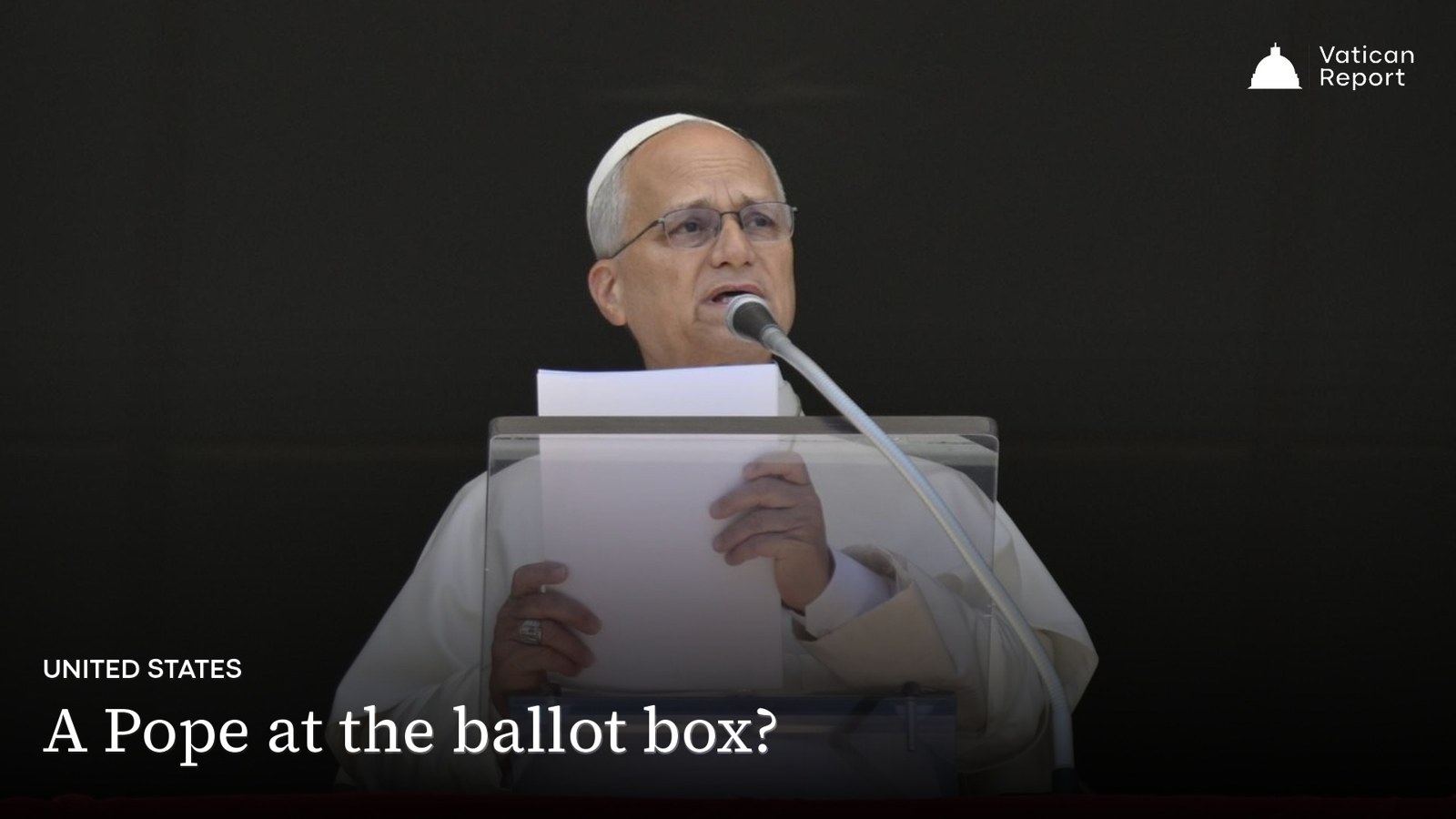
Pope Leo XIV has requested a mail ballot for the U.S. midterm elections on Tuesday, Nov. 3. If he sends it back, according to NBC News and OSV News, he would be the first pope to vote in a U.S. election.
The ballot. Robert Francis Prevost is a registered voter in Will County, Illinois, with a New Lenox address. He requested a mail ballot on Oct. 3, as first reported by the Chicago Sun-Times. Kim Fladhammer, chief of staff of the county clerk's office, told NBC News that as of Oct. 29 the office had not received a completed ballot. The Holy See Press Office has not commented.
What we don't know. It is not known whether the pope has filled out or mailed his ballot, or whether he intends to. The first NBC and OSV refer to applies only if he actually casts it.
Benedict XVI. As pope, Joseph Ratzinger remained on the voter rolls in Pentling, Bavaria, and received his polling card, but did not vote in Germany's 2009 federal election, as in 2005. His brother Georg Ratzinger told Domradio: "He is the sovereign of Vatican City State and does not think it right to interfere in the affairs of another state" (our translation).
Francis. According to Infobae, in 2013 Jorge Mario Bergoglio, as pope, was no longer on Argentina's electoral rolls.
Leo XIV in Peru. The pope, who also holds Peruvian citizenship and was registered to vote in Chiclayo, did not vote in Peru's general election on April 12, 2026; because of his age he was not subject to the fine for not voting (EFE, RPP).
U.S. citizenship. Becoming head of a sovereign state does not by itself cost him U.S. citizenship. Under federal law (8 U.S.C. 1481) and Supreme Court case law (Vance v. Terrazas, 1980), citizenship is lost only through a voluntary act done with the intention of giving it up; the State Department presumes that citizens intend to keep it. The department told AP it does not discuss the citizenship of individuals. Peter Spiro, a law professor at Temple University, said it is "highly unlikely" that the U.S. would move to terminate the pope's citizenship.
Vatican law. The 2011 Vatican citizenship law (No. CXXXI) does not bar holding other citizenships. Vatican analyst Andrea Gagliarducci told CNA: "The Pope is not [a] citizen, he is the whole Holy See."
Sources: NBC News · Chicago Sun-Times · OSV News via Catholic Sun · Domradio · Infobae (2013) · EFE via Infobae · RPP · AP via The Guardian · State Department, 7 FAM 080 · Vatican citizenship law · CNA via National Catholic Register
Source: NBC News